Table of Contents
Comprehensive Treatment Approach
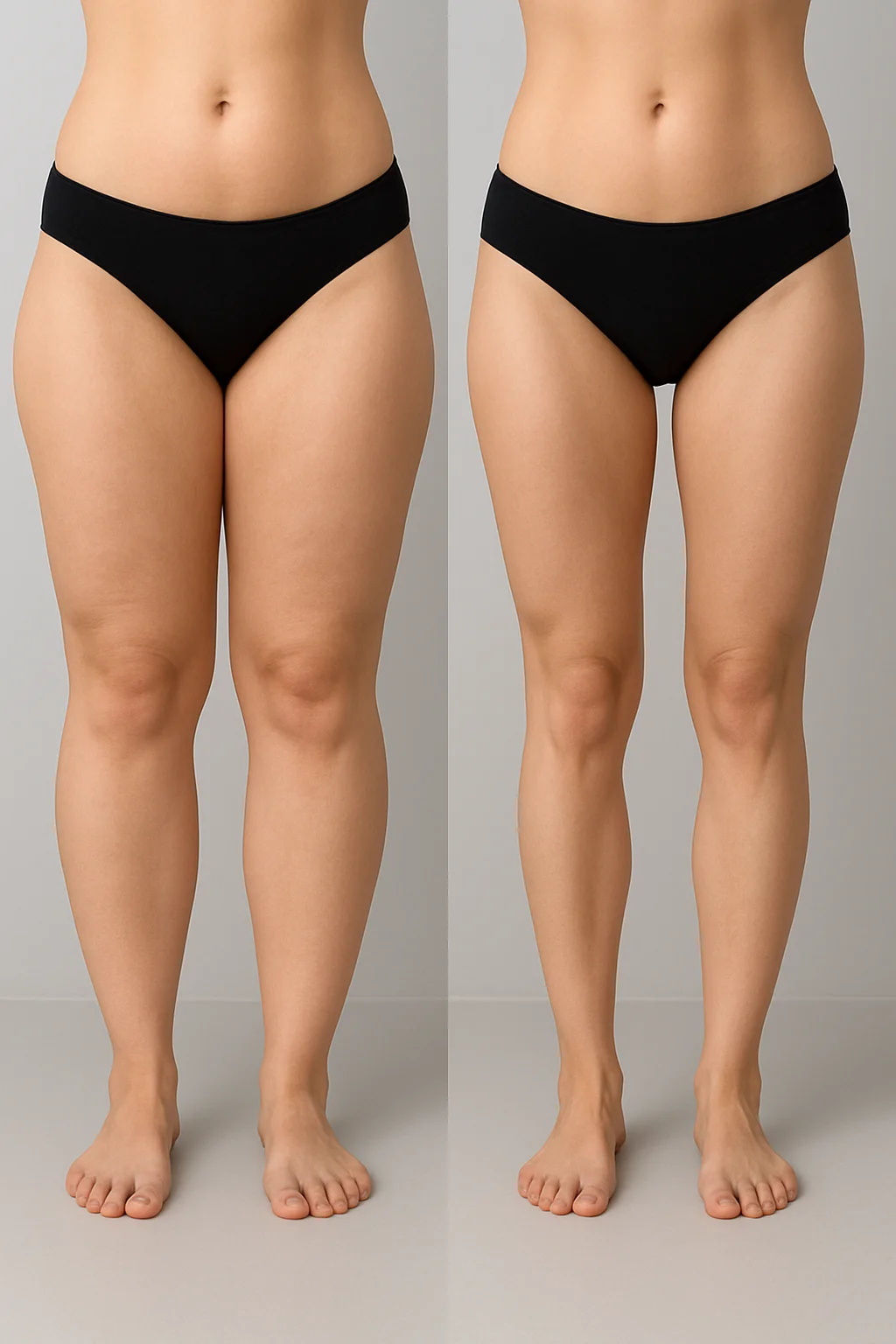
Lipedema is a chronic, progressive fat disorder that requires a comprehensive treatment approach. While there’s no cure, effective treatment can significantly improve symptoms, slow progression, and enhance quality of life. This guide explores both surgical and non-surgical treatment options, helping you understand the full spectrum of available approaches.
As a board-certified plastic surgeon in Boca Raton who specializes in lipedema treatment, I understand the complexity of this condition. This article provides comprehensive information about treatment options to help you make informed decisions about your care.
Understanding Lipedema Treatment Goals
Primary Treatment Goals
Lipedema treatment aims to:
- Reduce Symptoms: Alleviate pain, discomfort, and functional limitations
- Slow Progression: Prevent or slow disease progression
- Improve Function: Enhance mobility and daily function
- Improve Appearance: Address aesthetic concerns
- Enhance Quality of Life: Improve overall quality of life
Treatment Philosophy
Effective lipedema treatment requires:
- Comprehensive Approach: Combining multiple treatment modalities
- Individualized Care: Tailored to each patient’s unique situation
- Long-Term Management: Ongoing management and monitoring
- Patient Education: Understanding the condition and treatment options
- Realistic Expectations: Understanding what treatment can achieve
Non-Surgical Treatment Options
Compression Therapy
Compression therapy is a cornerstone of lipedema management:
How It Works
- Reduces Swelling: Helps reduce fluid accumulation
- Improves Circulation: Enhances lymphatic and blood circulation
- Provides Support: Supports affected tissues
- Reduces Pain: Can help reduce pain and discomfort
- Prevents Progression: May help slow disease progression
Types of Compression
- Compression Garments: Custom-fitted garments for affected areas
- Bandaging: Multi-layer bandaging for severe cases
- Pneumatic Compression: Mechanical compression devices
- Intermittent Compression: Periodic compression therapy
Implementation
- Daily Wear: Typically worn daily
- Proper Fit: Must be properly fitted
- Graduated Compression: Graduated compression for optimal effect
- Maintenance: Regular replacement as needed
Manual Lymphatic Drainage (MLD)
MLD is a specialized massage technique:
Benefits
- Lymphatic Stimulation: Stimulates lymphatic flow
- Reduces Swelling: Helps reduce fluid accumulation
- Improves Circulation: Enhances overall circulation
- Pain Relief: Can provide pain relief
- Complementary Therapy: Complements other treatments
Technique
- Specialized Massage: Gentle, specialized massage techniques
- Trained Therapist: Performed by trained therapist
- Regular Sessions: Typically requires regular sessions
- Home Techniques: Can learn techniques for home use
Exercise and Physical Therapy
Exercise is important but must be appropriate:
Appropriate Exercise
- Low-Impact Activities: Swimming, walking, cycling
- Strength Training: Gentle strength training
- Flexibility: Stretching and flexibility exercises
- Aquatic Therapy: Water-based exercises
- Supervised Programs: Supervised exercise programs
Benefits
- Maintains Mobility: Helps maintain mobility
- Improves Circulation: Enhances circulation
- Supports Treatment: Supports other treatments
- Overall Health: Benefits overall health
Considerations
- Avoid High-Impact: High-impact exercise may worsen symptoms
- Gradual Progression: Gradual progression is important
- Pain Management: Must manage pain appropriately
- Individualized: Must be individualized to each patient
Diet and Nutrition
While diet doesn’t cure lipedema, it plays a role:
Anti-Inflammatory Diet
- Reduces Inflammation: Anti-inflammatory foods may help
- Supports Health: Supports overall health
- Weight Management: Helps with weight management
- Complementary: Complements other treatments
Nutritional Considerations
- Balanced Nutrition: Balanced, nutritious diet
- Hydration: Adequate hydration
- Anti-Inflammatory Foods: Foods that reduce inflammation
- Professional Guidance: Consider professional nutritional guidance
Lifestyle Modifications
Lifestyle modifications can help:
- Activity Modifications: Modify activities to reduce impact
- Clothing Choices: Choose appropriate clothing
- Rest and Recovery: Adequate rest and recovery
- Stress Management: Stress management techniques
- Sleep: Quality sleep
Surgical Treatment Options
Specialized Liposuction for Lipedema
Specialized liposuction is the primary surgical treatment:
Why Specialized Techniques Matter
Lipedema requires specialized techniques because:
- Unique Fat Characteristics: Lipedema fat has unique characteristics
- Lymphatic Considerations: Must protect lymphatic system
- Safety Requirements: Requires specialized safety protocols
- Optimal Results: Specialized techniques provide better results
Tumescent Liposuction
Tumescent technique is commonly used:
- Local Anesthesia: Uses local anesthesia with tumescent solution
- Reduced Trauma: Minimizes trauma to tissues
- Safety: Generally safe when performed by experienced surgeon
- Recovery: Typically good recovery
Water-Assisted Liposuction (WAL)
WAL is particularly suited for lipedema:
- Gentle Technique: Gentle water-jet technique
- Lymphatic Preservation: Better preservation of lymphatic vessels
- Reduced Trauma: Minimizes tissue trauma
- Effective Removal: Effective fat removal
Power-Assisted Liposuction (PAL)
PAL can be effective:
- Efficient Removal: Efficient fat removal
- Reduced Surgeon Fatigue: Reduces surgeon fatigue
- Precise Control: Precise control during procedure
- Good Results: Can provide good results
Surgical Considerations
Patient Selection
Good candidates for surgery:
- Stable Condition: Condition should be relatively stable
- Good Health: Overall good health
- Realistic Expectations: Realistic expectations
- Commitment: Commitment to post-operative care
- Understanding: Understanding of procedure and recovery
Timing Considerations
- Stage of Disease: Consider stage of disease
- Symptom Severity: Consider symptom severity
- Previous Treatments: Consider response to previous treatments
- Patient Readiness: Patient must be ready for surgery
Procedure Planning
- Staged Approach: Often requires staged approach
- Multiple Areas: May need to address multiple areas
- Comprehensive Planning: Requires comprehensive planning
- Long-Term View: Must consider long-term management
Comprehensive Treatment Strategy
Multi-Modal Approach
Effective treatment typically combines:
- Surgical Treatment: Specialized liposuction when appropriate
- Compression Therapy: Ongoing compression therapy
- Lymphatic Care: Manual lymphatic drainage
- Lifestyle Management: Lifestyle modifications
- Ongoing Monitoring: Regular monitoring and adjustments
Treatment Phases
Treatment often occurs in phases:
Phase 1: Non-Surgical Management
- Compression Therapy: Initiate compression therapy
- Lymphatic Care: Begin lymphatic drainage
- Lifestyle Modifications: Implement lifestyle changes
- Education: Patient education about condition
Phase 2: Surgical Intervention
- Evaluation: Comprehensive evaluation for surgery
- Surgical Planning: Detailed surgical planning
- Surgery: Specialized liposuction procedures
- Recovery: Post-operative recovery and care
Phase 3: Long-Term Management
- Ongoing Compression: Continued compression therapy
- Maintenance Care: Maintenance lymphatic care
- Lifestyle Maintenance: Continued lifestyle management
- Monitoring: Regular monitoring and adjustments
Recovery and Post-Operative Care
Immediate Post-Operative
- Compression: Immediate compression application
- Lymphatic Care: Early lymphatic drainage
- Activity Restrictions: Appropriate activity restrictions
- Pain Management: Effective pain management
- Monitoring: Close monitoring
Early Recovery
- Continued Compression: Continued compression therapy
- Lymphatic Support: Ongoing lymphatic support
- Gradual Activity: Gradual return to activities
- Wound Care: Proper wound care
- Follow-Up: Regular follow-up appointments
Long-Term Care
- Lifetime Compression: Often requires lifetime compression
- Maintenance Care: Ongoing maintenance care
- Lifestyle Management: Continued lifestyle management
- Regular Monitoring: Regular monitoring and adjustments
Expected Outcomes
What Treatment Can Achieve
- Symptom Reduction: Significant reduction in symptoms
- Improved Function: Enhanced mobility and function
- Appearance Improvement: Improved appearance
- Progression Slowing: Slowing or prevention of progression
- Quality of Life: Enhanced quality of life
Realistic Expectations
- Not a Cure: Treatment doesn’t cure lipedema
- Ongoing Management: Requires ongoing management
- Individual Variation: Results vary by individual
- Long-Term Commitment: Requires long-term commitment
- Comprehensive Approach: Best results with comprehensive approach
Choosing Your Treatment Path
Consultation Process
During consultation, we’ll:
- Evaluate Your Condition: Comprehensive evaluation
- Discuss Options: Discuss all treatment options
- Create Plan: Create personalized treatment plan
- Set Expectations: Set realistic expectations
- Answer Questions: Answer all your questions
Decision Factors
Consider:
- Your Symptoms: Severity of your symptoms
- Your Goals: Your treatment goals
- Your Situation: Your personal situation
- Treatment Options: Available treatment options
- Your Preferences: Your personal preferences
Your Treatment Journey
Lipedema treatment requires a comprehensive, individualized approach. Whether you’re considering non-surgical management, surgical intervention, or a combination of both, understanding your options helps you make informed decisions about your care.
The most effective treatment typically combines multiple modalities tailored to your unique needs. With proper treatment, many patients experience significant symptom improvement, enhanced function, and improved quality of life.
During your consultation, we’ll work together to:
- Evaluate your specific condition
- Discuss all treatment options
- Create a personalized treatment plan
- Set realistic expectations
- Plan for comprehensive care
To learn more about lipedema treatment options or to schedule a consultation, please contact our office or visit our lipedema treatment page. We’re committed to providing comprehensive, compassionate care for this complex condition.
Dr. Georgina Nichols
Double-Board Certified Plastic Surgeon
Dr. Georgina Nichols is a double-board certified plastic surgeon with extensive experience in cosmetic and reconstructive surgery. Specializing in lipedema treatment, she combines surgical expertise with personal understanding as a lipedema patient herself, providing compassionate, comprehensive care to patients in Boca Raton, Delray Beach, and Palm Beach.