Table of Contents
The GLP-1 Phenomenon and Its Impact on Body Shape
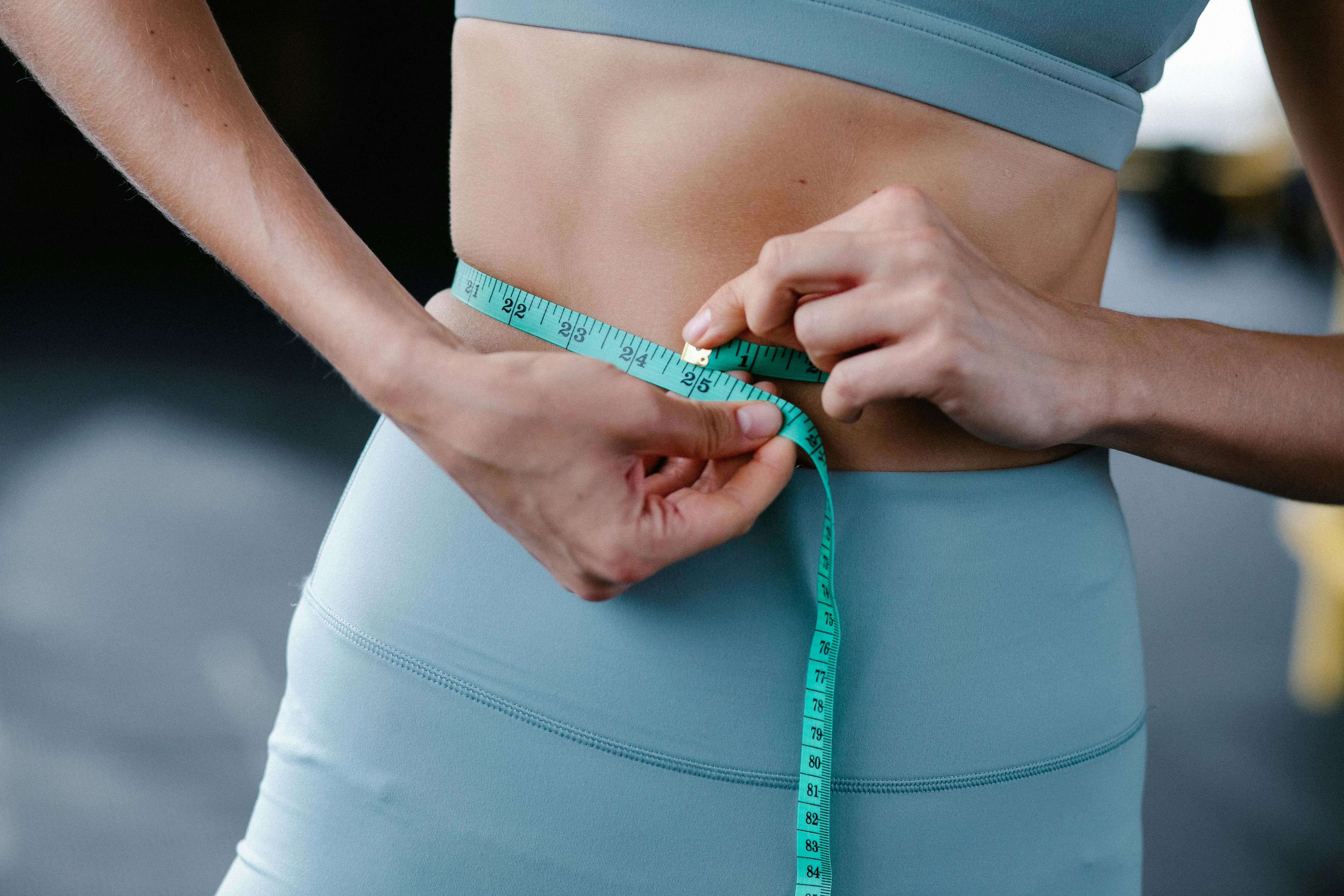
The rise of GLP-1 medications like Ozempic, Wegovy, Mounjaro, and Zepbound has revolutionized weight loss for millions of Americans. These medications have proven remarkably effective, helping patients achieve 15-25% body weight loss or more. However, this rapid weight loss success has created an unexpected challenge: excess, sagging skin that diet and exercise alone cannot address.
As a board-certified plastic surgeon in Boca Raton, I’m seeing a significant increase in patients who have successfully lost weight with these medications and now need body contouring procedures to complete their transformation. This comprehensive guide will help you understand your options for addressing excess skin after rapid weight loss.
Why Excess Skin Occurs After Rapid Weight Loss
The Science Behind Skin Elasticity
When you lose weight rapidly—whether through GLP-1 medications, bariatric surgery, or extreme dieting—your skin doesn’t have time to adapt. Here’s why:
- Elasticity Limits: Skin has natural elasticity, but it can only contract so much
- Collagen Breakdown: Rapid weight loss can break down collagen and elastin fibers
- Age Factor: Older skin has less ability to bounce back
- Genetics: Some people naturally have more elastic skin than others
- Amount of Weight Lost: The more weight you lose, the more excess skin you’ll likely have
Common Problem Areas
After significant weight loss, patients typically experience excess skin in:
- Abdomen: The most common area, often requiring tummy tuck
- Arms: “Bat wing” appearance requiring arm lift (brachioplasty)
- Thighs: Inner and outer thigh sagging requiring thigh lift
- Breasts: Deflated appearance requiring breast lift or augmentation
- Back: Excess skin and fat requiring back lift
- Face and Neck: Volume loss and sagging requiring facial procedures
Surgical Options for Body Contouring
Tummy Tuck (Abdominoplasty)
A tummy tuck removes excess skin and fat from the abdomen while tightening the abdominal muscles. This is one of the most common procedures after weight loss.
What it addresses:
- Excess abdominal skin
- Separated or weakened abdominal muscles (diastasis recti)
- Stubborn lower belly fat
- Stretch marks in the lower abdomen
Types of tummy tucks:
- Full Tummy Tuck: Most comprehensive, addresses entire abdomen
- Mini Tummy Tuck: For patients with less excess skin
- Extended Tummy Tuck: Extends to flanks for more comprehensive contouring
Recovery: Typically 2-3 weeks before returning to light activities, 4-6 weeks for full recovery
Arm Lift (Brachioplasty)
An arm lift removes excess skin and fat from the upper arms, creating a more toned, youthful appearance.
What it addresses:
- “Bat wing” sagging skin
- Excess fat in upper arms
- Loose, hanging skin
Techniques:
- Traditional Arm Lift: Incision along inner arm
- Extended Arm Lift: Extends to armpit area
- Limited Incision: For patients with less excess skin
Recovery: 1-2 weeks before returning to light activities, 3-4 weeks for full recovery
Thigh Lift
A thigh lift removes excess skin and fat from the inner and/or outer thighs, creating smoother, more contoured legs.
What it addresses:
- Inner thigh sagging
- Outer thigh excess skin
- Thigh chafing and discomfort
- Difficulty finding clothing that fits
Types:
- Inner Thigh Lift: Addresses inner thigh area
- Outer Thigh Lift: Addresses outer thigh and hip area
- Circumferential Thigh Lift: Addresses entire thigh circumference
Recovery: 2-3 weeks before returning to light activities, 4-6 weeks for full recovery
Body Lift
A body lift is a comprehensive procedure that addresses excess skin around the entire midsection, including abdomen, flanks, and back.
What it addresses:
- Excess skin around entire torso
- Sagging in multiple areas
- Comprehensive body contouring
- Post-weight loss body shape
Recovery: 3-4 weeks before returning to light activities, 6-8 weeks for full recovery
Breast Procedures
After weight loss, breasts often lose volume and sag. Options include:
- Breast Lift: Restores youthful breast position
- Breast Augmentation: Adds volume with implants or fat transfer
- Combination: Breast lift with augmentation
Liposuction
While liposuction doesn’t remove excess skin, it can be combined with other procedures to remove stubborn fat deposits and improve body contours.
Non-Surgical Adjuncts
While surgery is often necessary for significant excess skin, non-surgical treatments can complement your results:
Laser Skin Tightening
- Sofwave: Non-invasive skin tightening technology
- Radiofrequency: Stimulates collagen production
- Best for: Mild to moderate skin laxity
- Limitations: Cannot replace surgery for significant excess skin
Energy-Based Devices
- Ultherapy: Ultrasound-based skin tightening
- ThermiTight: Radiofrequency skin tightening
- Best for: Maintenance after surgery or mild cases
Skin Care
- Retinoids: Improve skin texture and elasticity
- Peptides: Support collagen production
- Hydration: Maintain skin health
Recovery Expectations and Timeline
Immediate Post-Operative Period (First Week)
- Rest: Essential for proper healing
- Compression Garments: Worn continuously to reduce swelling
- Drains: May be present for several days
- Pain Management: Prescribed medications for comfort
- Limited Mobility: Assistance needed for daily activities
Early Recovery (Weeks 2-4)
- Light Activities: Can resume desk work
- Walking: Encouraged to promote circulation
- Compression: Continue wearing compression garments
- Follow-Up Appointments: Regular check-ins with surgeon
- Swelling: Gradual reduction, but some swelling persists
Mid-Recovery (Weeks 4-8)
- Normal Activities: Can resume most daily activities
- Exercise: Light exercise may be permitted
- Scar Care: Begin scar treatment protocols
- Results: Initial results becoming visible
Long-Term Recovery (Months 3-6)
- Final Results: Most swelling resolved, final contours visible
- Scar Maturation: Scars continue to fade
- Exercise: Can resume full exercise routine
- Maintenance: Focus on maintaining results
Cost Considerations
As a self-pay practice, we provide transparent pricing for all procedures. Costs vary based on:
- Procedure Complexity: More extensive procedures cost more
- Combination Procedures: Combining procedures can be cost-effective
- Surgeon Experience: Board certification and expertise
- Facility: Accredited surgical facility
- Anesthesia: Board-certified anesthesiologist
During your consultation, we’ll provide a detailed cost breakdown so you can make an informed decision. We accept various payment methods and can discuss options that work for your situation.
Patient Case Studies
Case Study 1: Comprehensive Body Contouring
A 42-year-old patient lost 80 pounds with GLP-1 medication and underwent:
- Extended tummy tuck
- Arm lift
- Inner thigh lift
Results: Complete transformation with restored body confidence and ability to wear clothing comfortably.
Case Study 2: Staged Approach
A 38-year-old patient lost 60 pounds and chose a staged approach:
- Stage 1: Tummy tuck and liposuction
- Stage 2: Arm lift and breast lift
Results: Gradual transformation allowing for recovery between procedures.
Frequently Asked Questions
How long should I wait after stopping GLP-1 medication before surgery?
It’s generally recommended to be at a stable weight for at least 3-6 months before undergoing body contouring surgery. This ensures your weight has stabilized and you’re maintaining your results.
Can I have multiple procedures at once?
Yes, many patients combine procedures for comprehensive results. However, this depends on your overall health, the extent of procedures, and your surgeon’s recommendation. Combining procedures can be more cost-effective and reduce overall recovery time.
Will insurance cover these procedures?
We are a self-pay practice and do not accept insurance. Body contouring procedures after weight loss are typically considered cosmetic, even when addressing excess skin.
How long do results last?
Results are generally permanent, provided you maintain a stable weight. Significant weight gain after surgery can affect your results, so maintaining a healthy lifestyle is important.
What are the risks?
As with any surgery, there are risks including bleeding, infection, scarring, and complications. During your consultation, we’ll discuss all risks and how we minimize them through proper technique and care.
How do I know if I’m a good candidate?
Good candidates are:
- At a stable weight for 3-6 months
- In good overall health
- Non-smokers (or willing to quit)
- Have realistic expectations
- Understand the recovery process
Can I exercise after surgery?
Light walking is encouraged soon after surgery, but strenuous exercise should be avoided for 4-6 weeks depending on your procedure. We’ll provide specific guidelines based on your procedure.
Will I have scars?
Yes, all surgical procedures leave scars. However, we use advanced techniques to minimize scarring and place incisions in natural creases and hidden areas whenever possible. Scars typically fade significantly over time.
Preparing for Your Consultation
Before your consultation, consider:
- Your Goals: What areas concern you most?
- Timeline: When would you like to have surgery?
- Recovery: Do you have support during recovery?
- Questions: Write down any questions you have
- Medical History: Be prepared to discuss your health history
Conclusion
The success of GLP-1 medications in helping people achieve significant weight loss is remarkable. However, addressing the excess skin that remains is often the final step in completing your transformation. Body contouring procedures can restore your body confidence and help you feel comfortable in your own skin.
As a board-certified plastic surgeon, I’m committed to helping you achieve natural, beautiful results that complement your weight loss success. If you’re considering body contouring after weight loss, I encourage you to schedule a consultation to discuss your options and create a personalized treatment plan.
To learn more about body contouring procedures or to schedule a consultation, please contact our office. We’re here to help you complete your transformation journey.
Dr. Georgina Nichols
Double-Board Certified Plastic Surgeon
Dr. Georgina Nichols is a double-board certified plastic surgeon with extensive experience in cosmetic and reconstructive surgery. Specializing in lipedema treatment, she combines surgical expertise with personal understanding as a lipedema patient herself, providing compassionate, comprehensive care to patients in Boca Raton, Delray Beach, and Palm Beach.