Table of Contents
The Ozempic Revolution
The rise of GLP-1 medications like Ozempic, Wegovy, and Mounjaro has transformed weight loss for millions of Americans. These medications have proven remarkably effective at helping people achieve significant weight loss—often 15-25% of body weight or more. But this success has created an unexpected consequence: a surge in demand for body contouring procedures to address the excess skin and tissue changes that follow rapid weight loss.
As a plastic surgeon, I’m seeing this trend firsthand. Patients who have successfully lost weight with these medications are now seeking procedures to address the physical changes that weight loss alone cannot fix. This “Ozempic effect” is reshaping the landscape of body contouring surgery.
Understanding GLP-1 Medications
GLP-1 (glucagon-like peptide-1) receptor agonists work by:
- Slowing gastric emptying, making you feel full longer
- Reducing appetite and food cravings
- Improving insulin sensitivity
- Promoting weight loss through multiple mechanisms
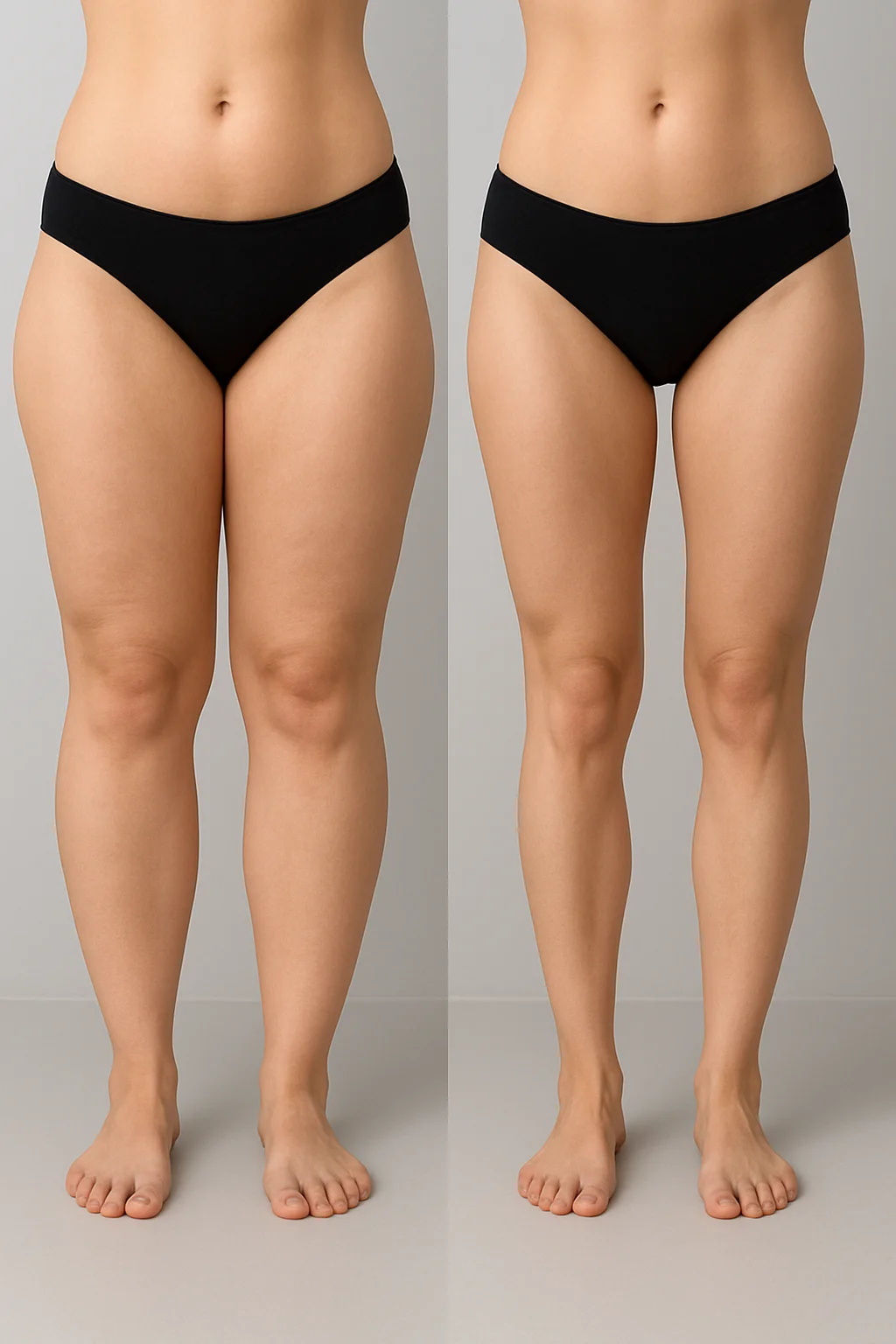
While these medications are highly effective for weight loss, they don’t address the skin and tissue changes that occur after significant weight reduction.
The Physical Impact of Rapid Weight Loss
When you lose weight rapidly—whether through medication, surgery, or diet—your body undergoes significant changes:
Skin Elasticity Issues
Skin that has been stretched over time loses its ability to snap back. After significant weight loss, you may experience:
- Loose, hanging skin on the abdomen
- Drooping skin on the arms (bat wings)
- Excess skin on the thighs
- Sagging skin on the face and neck
- Breast tissue that has lost volume and shape
Muscle Loss
Rapid weight loss can also result in muscle loss, particularly if not combined with strength training. This can create:
- Loss of muscle definition
- Reduced strength and mobility
- Changes in body composition
Fat Distribution Changes
Even after weight loss, you may have:
- Stubborn fat deposits that remain
- Uneven fat distribution
- Areas that don’t respond to diet and exercise
Body Contouring Procedures for Post-Weight Loss
Plastic surgery can address the physical changes that remain after successful weight loss. Here are the most common procedures sought by patients who have lost weight with GLP-1 medications:
Tummy Tuck (Abdominoplasty)
One of the most requested procedures after weight loss, a tummy tuck addresses:
- Excess abdominal skin
- Separated abdominal muscles (diastasis recti)
- Stubborn fat deposits
- Loose skin that hangs over the waistline
Modern tummy tuck techniques can create a flatter, more toned abdomen while removing excess skin and tightening underlying muscles.
Body Lift
A comprehensive procedure that addresses multiple areas:
- Lower body lift: Removes excess skin from abdomen, hips, and outer thighs
- Upper body lift: Addresses excess skin on the back, chest, and arms
- Circumferential lift: 360-degree removal of excess skin
Body lifts are particularly beneficial for patients who have lost significant amounts of weight and have excess skin all around their torso.
Arm Lift (Brachioplasty)
Addresses the “bat wing” appearance caused by excess skin on the upper arms:
- Removes excess skin and fat
- Tightens remaining tissue
- Creates smoother, more toned arms
Modern techniques allow for more discreet incisions and better results.
Thigh Lift
Removes excess skin and fat from the inner and outer thighs:
- Improves thigh contour
- Reduces chafing and skin irritation
- Creates smoother leg appearance
Breast Procedures
After weight loss, breasts often need attention:
- Breast Lift: Restores shape and position to sagging breasts
- Breast Augmentation: Restores volume lost during weight loss
- Combination: Lift with augmentation for comprehensive improvement
Liposuction
Even after weight loss, stubborn fat deposits may remain. Liposuction can:
- Remove localized fat deposits
- Improve body contours
- Enhance definition in areas like the abdomen and flanks
Advanced Skin Tightening Techniques
In addition to surgical procedures, non-surgical and minimally invasive skin tightening options are becoming increasingly popular:
Radiofrequency-Assisted Liposuction
Combines fat removal with skin tightening using radiofrequency energy, offering dual benefits in one procedure.
Ultrasound-Based Treatments
Non-invasive treatments like Ultherapy use focused ultrasound to stimulate collagen production and tighten skin.
Laser Skin Tightening
Laser treatments can improve skin texture and provide mild to moderate tightening.
Timing Your Procedures
If you’re using GLP-1 medications for weight loss, timing is important:
Weight Stability
It’s generally recommended to:
- Achieve your goal weight or be close to it
- Maintain stable weight for 3-6 months before surgery
- Continue with healthy lifestyle habits
Why Wait?
Waiting for weight stability ensures:
- Better surgical outcomes
- Reduced risk of needing revision surgery
- More predictable results
- Optimal healing
Combination Procedures
Many patients benefit from combining multiple procedures:
- Mommy Makeover: Tummy tuck + breast procedure
- Lower Body Lift: Tummy tuck + thigh lift
- Comprehensive Body Contouring: Multiple procedures in one surgery
Combining procedures can:
- Reduce overall recovery time
- Provide more comprehensive results
- Be more cost-effective
- Create harmonious body proportions
What to Expect: Recovery and Results
Recovery Timeline
Recovery varies by procedure, but generally:
- First Week: Rest, limited activity, compression garments
- 2-4 Weeks: Gradual return to light activities
- 4-6 Weeks: Return to most normal activities
- 3-6 Months: Final results become apparent
Results
Body contouring after weight loss can:
- Remove excess skin and tissue
- Restore body proportions
- Improve comfort and mobility
- Boost confidence and self-image
- Complete your weight loss transformation
Maintaining Your Results
To maintain your surgical results:
- Continue healthy lifestyle habits
- Maintain stable weight
- Stay hydrated and eat a balanced diet
- Follow your surgeon’s post-operative instructions
- Attend all follow-up appointments
Is Body Contouring Right for You?
Body contouring may be right for you if:
- You’ve achieved significant weight loss
- You have excess skin that doesn’t improve with exercise
- You’re at a stable weight
- You’re in good overall health
- You have realistic expectations
- You’re committed to maintaining your results
Your Transformation Journey
If you’ve successfully lost weight with GLP-1 medications and are considering body contouring, the next step is a consultation. During your visit, we’ll:
- Evaluate your current body shape and excess skin
- Discuss your goals and concerns
- Recommend appropriate procedures
- Create a personalized treatment plan
- Discuss timing, recovery, and expectations
Body contouring can be the final step in your weight loss transformation, helping you achieve the body you’ve worked so hard for. To learn more or schedule a consultation, please contact our office or explore our body contouring services.
Dr. Georgina Nichols
Double-Board Certified Plastic Surgeon
Dr. Georgina Nichols is a double-board certified plastic surgeon with extensive experience in cosmetic and reconstructive surgery. Specializing in lipedema treatment, she combines surgical expertise with personal understanding as a lipedema patient herself, providing compassionate, comprehensive care to patients in Boca Raton, Delray Beach, and Palm Beach.