Table of Contents
The Social Media Revolution in Aesthetics
In January 2022, TikTok videos with hashtags related to plastic surgery surpassed 29 billion views—a staggering number that continues to grow. This digital phenomenon has fundamentally transformed how patients discover, research, and approach cosmetic procedures. As a plastic surgeon practicing in Boca Raton, I’ve witnessed firsthand how social media platforms, particularly TikTok and Instagram, are reshaping the aesthetic surgery landscape.
The impact is undeniable: over 50% of individuals considering cosmetic procedures now report being influenced by social media content. This shift represents a dramatic departure from traditional patient education methods, where information came primarily from consultations, medical websites, and word-of-mouth referrals.
TikTok: The New Patient Education Platform
TikTok’s algorithm-driven content discovery has made it an unprecedented force in aesthetic medicine. The platform’s short-form video format allows surgeons to demystify procedures, share real-time updates, and engage with younger demographics who might not have previously considered cosmetic surgery.
Viral Trends and Procedure Popularity
The platform’s ability to make procedures go viral has created rapid trend cycles. A single viral video can generate hundreds of consultation requests within days. Procedures like buccal fat removal, “fox eye” lifts, and Brazilian butt lifts have all experienced surges in popularity following viral TikTok content.
However, this rapid trend acceleration presents challenges. Patients may request procedures based on filtered, edited content without fully understanding the surgical process, recovery time, or long-term implications. As surgeons, we must balance the educational benefits of social media with the responsibility to ensure patients make informed decisions.
The Educational Opportunity
Despite concerns, TikTok offers significant educational value. Many board-certified plastic surgeons use the platform to:
- Explain procedures in accessible language
- Debunk common myths and misconceptions
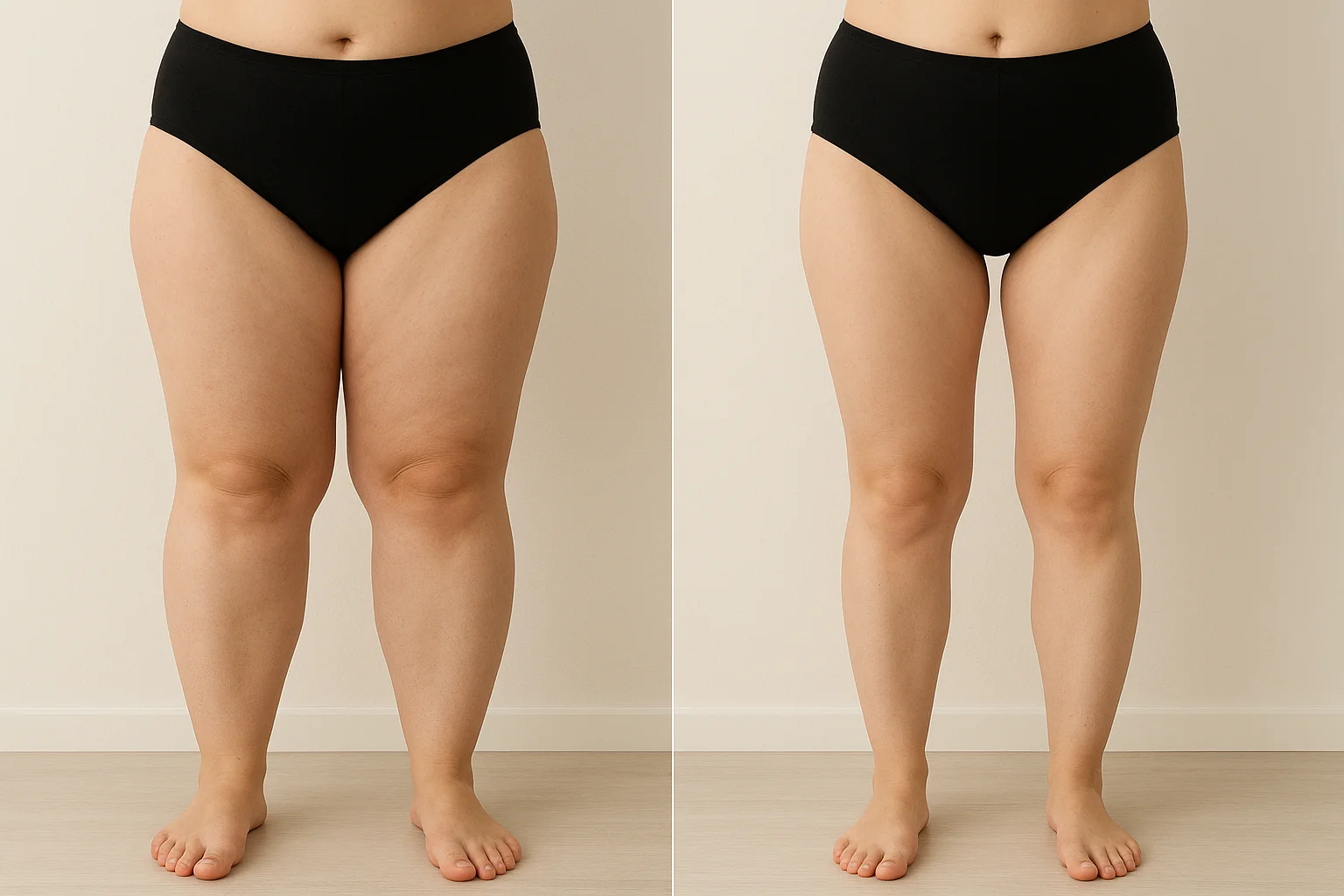
- Share realistic before-and-after transformations
- Discuss recovery processes and expectations
- Address safety concerns and complications
This educational content helps demystify plastic surgery and makes information more accessible to diverse audiences.
Instagram: Visual Storytelling and Normalization
Instagram remains the dominant platform for aesthetic surgery content, with over 50% of patients citing it as an influence in their decision-making process. The platform’s visual nature makes it ideal for showcasing before-and-after photos, patient testimonials, and procedural education.
The Power of Visual Content
Instagram’s emphasis on visual storytelling has normalized cosmetic procedures in ways that were previously unimaginable. Patients can now see thousands of real transformations, follow their surgeon’s journey, and connect with others who have undergone similar procedures.
This normalization has positive and negative aspects. On one hand, it reduces stigma and helps patients feel more comfortable discussing their aesthetic goals. On the other hand, it can create unrealistic expectations when patients compare themselves to heavily filtered or edited images.
Influencer Culture and Patient Expectations
The rise of influencer culture on Instagram has created new dynamics in patient-surgeon relationships. Patients may arrive at consultations with specific requests based on influencer recommendations, sometimes without understanding the medical considerations involved.
As surgeons, we must navigate these conversations carefully, respecting patient desires while ensuring medical safety and realistic expectations. This often requires additional education about why certain procedures may or may not be appropriate for individual patients.
Platform-Specific Trends
Different social media platforms drive distinct trends and patient behaviors:
TikTok Trends
- Quick, dramatic transformations
- Trend-driven procedures (often temporary)
- Younger patient demographics (Gen Z and younger millennials)
- Emphasis on “natural” results that don’t look “done”
Instagram Trends
- Comprehensive procedure showcases
- Long-term patient journeys
- More mature patient demographics
- Focus on subtle, refined enhancements
YouTube’s Role
While TikTok and Instagram dominate discovery, YouTube serves as the deep-dive platform where patients conduct serious research. Educational content, surgical vlogs, and Q&A sessions help patients understand procedures in detail before scheduling consultations.
Ethical Considerations for Surgeons
The integration of social media into plastic surgery practice raises important ethical questions:
Transparency and Authenticity
Surgeons must maintain transparency about:
- Use of filters or editing in before-and-after photos
- Realistic recovery timelines
- Potential complications and risks
- Limitations of procedures
Patient Education vs. Marketing
Balancing educational content with marketing requires careful consideration. While social media can be a powerful tool for patient education, it must not prioritize marketing over medical accuracy.
Managing Expectations
One of our greatest challenges is managing patient expectations shaped by social media. Patients may have seen heavily filtered results or unrealistic transformations that don’t reflect typical outcomes. During consultations, we must help patients understand what’s achievable and appropriate for their unique anatomy and goals.
The Future of Social Media in Plastic Surgery
As social media continues to evolve, several trends are emerging:
Virtual Consultations
The COVID-19 pandemic accelerated adoption of virtual consultations, and this trend continues. Social media often serves as the first touchpoint, with virtual consultations following initial interest generated online.
Augmented Reality and Visualization
New technologies allow patients to visualize potential outcomes using AR filters and 3D imaging. While these tools are exciting, they must be used carefully to set realistic expectations.
Community Building
Social media enables patients to connect with others who have undergone similar procedures, creating supportive communities. These communities can provide valuable peer support during recovery, though they must be balanced with professional medical guidance.
Navigating Social Media as a Patient
For patients considering cosmetic procedures, social media can be both helpful and overwhelming. Here are key considerations:
Do Your Research
- Follow board-certified plastic surgeons for accurate information
- Look for educational content, not just before-and-after photos
- Verify surgeon credentials independently
- Read reviews from multiple sources
Be Critical of Content
- Remember that many images are filtered or edited
- Understand that results vary significantly between patients
- Consider that influencers may have financial relationships with surgeons
- Look for realistic, unedited transformations
Consult with Professionals
- Use social media for initial research, not final decisions
- Schedule in-person consultations with board-certified surgeons
- Ask questions about what you’ve seen online
- Get multiple opinions for major procedures
Conclusion
Social media has undeniably transformed plastic surgery, making information more accessible while creating new challenges around patient expectations and education. As the field continues to evolve, both surgeons and patients must navigate this digital landscape thoughtfully, prioritizing safety, education, and realistic expectations over viral trends.
The future of aesthetic surgery will likely see even greater integration of social media and technology. However, the fundamental principles of patient care—thorough consultation, realistic expectations, and prioritizing safety—remain unchanged. Whether you discover a procedure on TikTok, Instagram, or through traditional channels, the most important step is consulting with a board-certified plastic surgeon who can help you make informed decisions about your aesthetic goals.
In Boca Raton and throughout South Florida, we’re seeing patients who are more informed than ever before, thanks in large part to social media. As surgeons, our role is to build on this foundation of knowledge, ensuring that patients make decisions based on accurate information, realistic expectations, and their individual needs—not just the latest viral trend.
Dr. Georgina Nichols
Double-Board Certified Plastic Surgeon
Dr. Georgina Nichols is a double-board certified plastic surgeon with extensive experience in cosmetic and reconstructive surgery. Specializing in lipedema treatment, she combines surgical expertise with personal understanding as a lipedema patient herself, providing compassionate, comprehensive care to patients in Boca Raton, Delray Beach, and Palm Beach.